• Phoenix 71 (Wistful) is here and beautiful! Download your copy for free today!
  • Phoenix Staff Picks of 2024
    Screenshot 2024-10-21 at 11.10.10 AM Screenshot 2024-10-21 at 11.10.17 AM Screenshot 2024-10-21 at 11.10.23 AM Screenshot 2024-10-21 at 11.10.30 AM Screenshot 2024-10-21 at 11.10.39 AM Literature:
    Lidia Biggs
    Woman at Point Zero by Nawal El Saadawi (1977)
    ★ Words can’t even describe how phenomenal this is, just read it. Memphis Powers
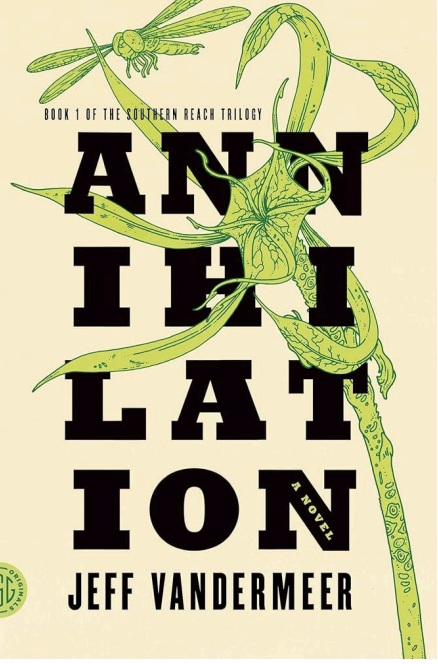
    Annihilation by Jef VanderMeer (2014)
    ★ Biological horror and underground spires, this
    book is the perfect kickoff to a perfect trilogy. You
    could open this book to any random page and see the
    most beautifully written line ever. Music
    Lidia Biggs:
    Willson by Ashe (2024)
    ★ A beautifully crafted junior album, Ashe is back! BRAT by charli xcx (2024)
    ★ I don’t even need to say anything I know you were bumpin’ that. American Hero by Towa Bird (2024)
    ★ If “This Isn’t Me” isn’t on my Spotify wrapped I
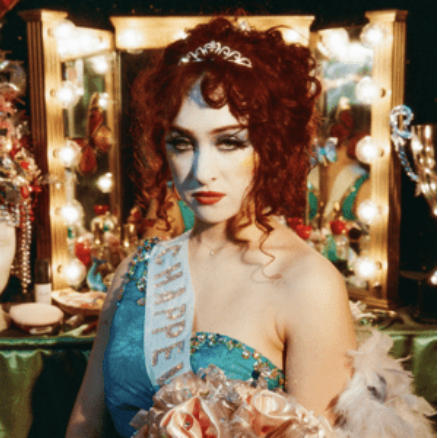
    will be very surprised… The Rise and Fall of a Midwest Princess by Chappell
    Roan (2023)
    ★ I mean, obviously, this should be everyone’s
    pick and if it’s not I know they’re lying.

    Carrie Cheng:

    Violet’s Tale by Ren (2022)
    + The Tale of Jenny & Screech by Ren (2019)
    ★ A devastating and powerful story told through a trilogy of songs. Ren showcases
    excellent wordplay along with clever music that just left me breathless. It’s a
    must-have to listen to, especially if you’re big on spoken word poetry! Brianna Eaton:
    Punisher by Phoebe Bridgers (2020):
    ★ such a good album for the long, chilly walks where you do nothing but long for
    things you no longer have. Memphis Powers:
    The Much Much How How and I by Cosmo Sheldrake (2018):
    ★ This album sounds so beautiful and is full of so much love and whimsy for all of
    nature. Movies:
    Lidia Biggs:
    Blue Jean (2022) dir. Georgia Oakley
    ★ Genuinely the best film I’ve seen this year. Perfectly
    represents the act of masking in non-lgbtq+ spaces. Totally
    fell under the radar after its release but we can change that. I Saw The TV Glow (2024) dir. Jane Schoenbrun
    ★ WOW. If any CNST professors are reading this
    please write this into your syllabi. Schoenbrun is a genius.
    Lisa Frankenstein (2024) dir. Zelda Williams
    ★ Frankenstein but for people obsessed with eighties music.

    Brianna Eaton:

    My Neighbor Totoro, Studio Ghibli (2018):
    ★ the perfect fall movie to cuddle up with a nice cozy blanket & tea!! TV Shows:
    Lidia Biggs:
    One Day (2024)
    ★ Tearjerker. Ambika Mod’s performance is incredible.
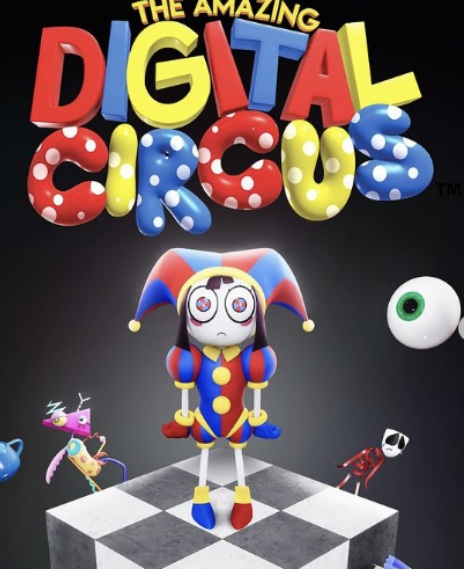
    Carrie Cheng: THE AMAZING DIGITAL CIRCUS by GLITCH
    (2023)
    ★ One of the most popular shows this upcoming
    year! It has a fun cast of characters and the animation
    studio behind it, Glitch Productions, has done
    amazing (wink wink) work in giving creators a
    chance to bring their work to life. It is free to watch
    on YouTube and has recently become one of the Top
    4 TV shows on Netflix.

    Max Edmonds:

    SOAP (1977):
    ★ A late 70s television gem where soap opera plot lines are explored in a
    sitcom format. Memphis Powers:
    Scavenger’s Reign (2023):
    ★ Stranded on an alien planet a crew has to survive the strange wildlife and find a
    way back home, this might be the best TV show I’ve ever seen. Video Games:
    Max Edmonds: Life is Strange (2015):
    ★ Have you ever wanted to live through
    a CW show? Consider this heartfelt time
    travel video game with plenty of heart and
    2010s nostalgia. Memphis Powers:
    Castle Crashers Remastered (2019):
    ★ Not just nostalgia. One of the best 2000s co-op games with improved
    graphics, more playable characters, and more minigames. Must
    recommend playing with friends.

    Baba Is You (2019):

    ★ Cute characters, engaging gameplay and style, amazing atmosphere.
    These puzzles are too much for my pea sized brain.

    Inscryption (2021):

    ★ I would consider this one of the best games of all time (if Portal 2 didn’t
    exist). Incredible mystery, and atmosphere, and some of the best
    gameplay, and a post-game that keeps me coming back.
  • Phoenix Staff Picks of 2023
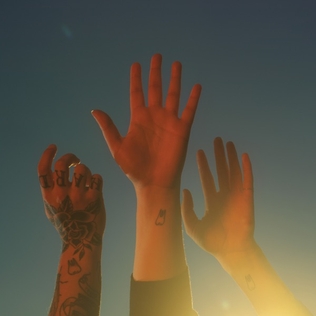
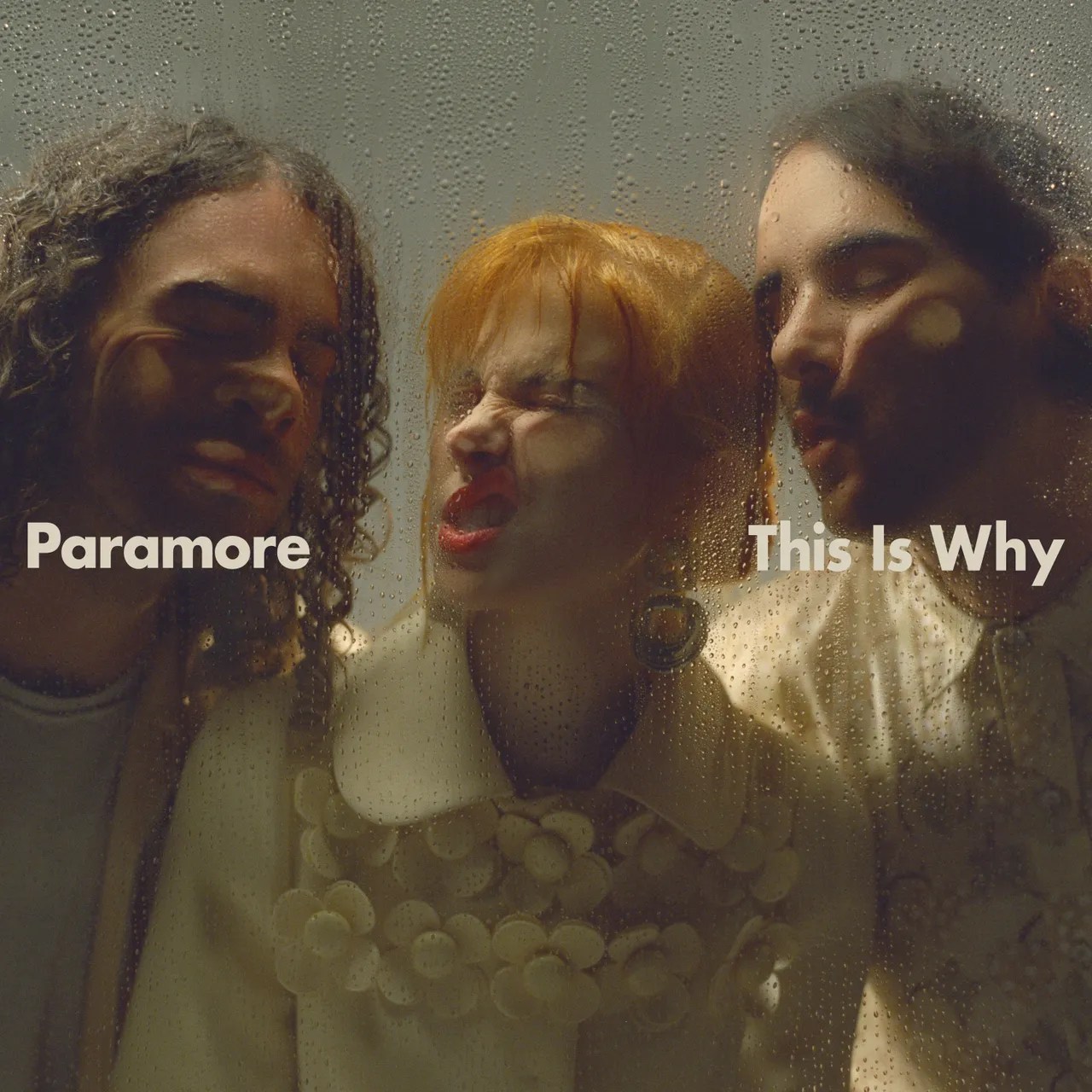
    Emergency Contact Boygenius_-_the_record The Beths This is Why Barbie King Coal

    LITERATURE

    Crying in H Mart by Michelle Zauner (2021)
    People throw around the phrase “modern classic” without critically thinking about the message a
    piece of media carries and its longevity. When used in association with this book, no words
    could be more true. The author’s relationship with her mother and how she retains her ties to her
    culture is something I think about weekly. Each interaction I have with my mother is now shaped
    by the lens of this book. – Madisun Just Kids by Patti Smith (2010)
    I would happily read Patti Smith’s grocery lists. Luckily, her wistful reminiscence of icy
    Brooklyn streets and the art scene of the 1970s with Robert Mapplethorpe are captivatingly
    chronicled here instead. – Diana Silas Marner by George Eliot (1861)
    A classic that includes all the drama and tropes of modern literature with a satisfying ending;
    what else could you ask for? – Lidia Under a White Sky: The Nature of the Future by Elizabeth Kolbert (2021)
    A must-read for environmentalist literature, with a biotechnical focus explored through unique
    case studies – sometimes mind-boggling and sometimes hilarious. – Diana

    POETRY

    frank: sonnets by Diane Seuss (2021)
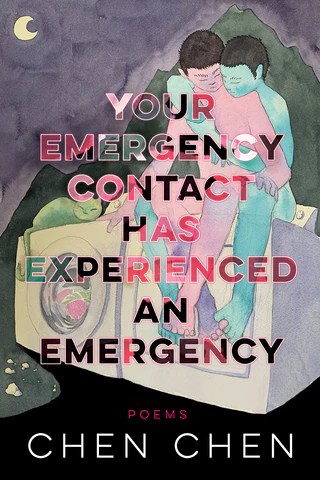
    This collection reads like a diary and is filled with cultural quips. – Lidia Your Emergency Contact Has Experienced an Emergency by Chen Chen (2022)
    Chen Chen is the poet for longing over things that never were, thinking magical thoughts while
    cooking dinner, and calling your parents. – Diana The Captain’s Verses: Love Poems by Pablo Neruda (1952)
    I cannot elaborate. Go find a copy. – Diana

    MUSIC


    The Land Is Inhospitable and So Are We by Mitski (2023)

    Mitski strikes again! This album illustrates the bittersweet feelings of love, yearning, and loss
    through musical sounds with stylistic origins from the American South. So…if you want to be
    reminded of Appalachia while having a mental breakdown, this album is for you! – Raina The Record by boygenius (2023)
    If you’re sad and want to feel even worse, consider this. – Lidia Spider-Man: Across the Spider-Verse (soundtrack) (2023)
    Listening to the album, especially imagining the visuals from the film, is an ethereal experience.
    It truly encapsulates the concept of Miles, his heritage, and who he wants to be. Special Mention
    to “Mona Lisa” by Dominic Fike. – Madisun

    Expert in a Dying Field by The Beths (2022) – Max

    Unreal Unearth by Hozier (2023)
    Really, no one else has recommended this yet?! I’ll take one for the team. – Diana MUNA by MUNA (2022)
    They’re the greatest band in the world for a reason. – Lidia Barbie: The Album (soundtrack) (2023)
    Do I even need to say anything? – Madisun This is Why (2023)
    The storytelling found in each song floats on rock melodies that transport me to another plane of
    existence. – Madisun GUTS by Olivia Rodrigo (2023)
    Olivia gets it and she writes about it too. – Lidia The Little Mermaid soundtrack (2023)
    Lin Manuel Miranda strikes again! The original songs added to the soundtrack bring another
    layer of heartfelt whimsy that is unmatched. – Madisun

    FILM

    Past Lives (2023) dir. Celine Song
    Everyday I wake up and think about this film and mourn my life a little. – Madisun

    Fair Play (2023) dir. Chloe Demont

    A really solid directorial debut, Demont is one to watch! – Lidia

    King Coal (2023) dir. Elaine McMillion Sheldon
    I’m a sucker for a magical-realist documentary unfolding a tale of the impacts of the coal
    industry on Southern Appalachia through an *actually* Southern Appalachian eye. Bonus points
    for the cinematography and soundscape Asteroid City (2023) and The Wonderful Story of Henry Sugar (2023) dir. Wes Anderson
    Wes Anderson never misses. Well, except for… – Diana Spider-Man: Across the Spider-Verse (2023) dir. Joaquin Dos Santos, Justin K. Thompson,
    and Kemp Powers
    Literally watch any Spider-Verse film because they’re all perfect. – Lidia Puss in Boots: The Last Wish (2022) dir. Joel Crawford
    One of the best animated films I have seen. A prime example that animation is merely a medium,
    not a genre. – Madisun Barbie (2023) dir. Greta Gerwig
    Best final line in film history. – Lidia Cocaine Bear (2023) dir. Elizabeth Banks
    I laughed at scenes that were not intended for laughter. The funniest movie I have ever seen. –
    Madisun

    TELEVISION

    Carol & the End of the World (2023) – Max

    The Bear (2022-2023)
    The Bear is a drama series about an over qualified chefs’ journey to revive his familys’ deli in
    Chicago. This show does a phenomenal job showing the characters’ lives and how familial chaos
    ultimately manifests in the kitchen. I can’t believe a show about a sandwich shop pulls at my
    heartstrings like this. Watch The Bear ASAP! – Raina Derry Girls (2018-2022)
    Comedic gold that uses The Cranberries and the Spice Girls as plot devices. – Lidia
  • Phoenix Staff Picks of 2022
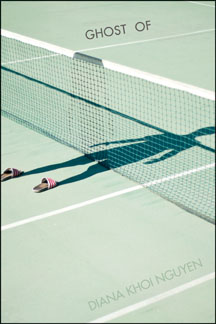
    aae6937a28eacae7bba2bb1a94383bb2.gif beabadoobee-Beatopia.jpg Nguyen_GhostOf a3874459819_10 9780593300268 MV5BN2M3Y2NhMGYtYjUxOS00M2UwLTlmMGUtYzY4MzFlNjZkYzY2XkEyXkFqcGdeQXVyODc0OTEyNDU@._V1_

    LITERATURE

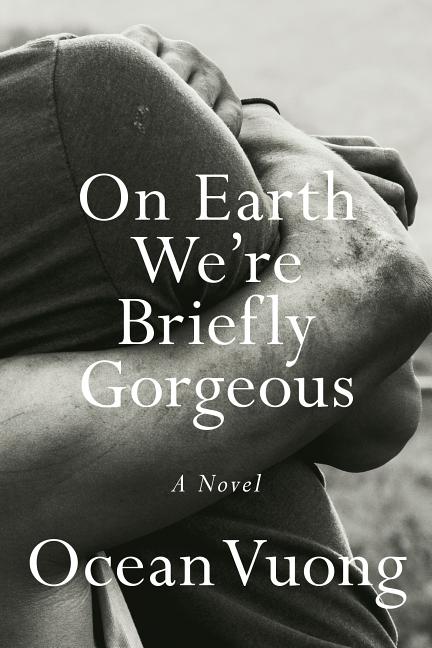
    On Earth We’re Briefly Gorgeous by Ocean Vuong (2019)
    Heartbreaking poetic prose that might just lead to daydreaming, creating, or even hope. – Diana If You Come Softly by Jacqueline Woodson (1998)
    This YA novel had me crying in a coffee shop. It’s heartbreaking, beautiful, and eternally relevant. – Presley The Third Hotel by Laura van den Berg (2018)
    This beautiful novel was pleasantly precise, and its topics range from grief to the innerworkings of horror movies to the uncertainty of truly knowing the people around us. – Sadie Lapvona by Otessa Moshfegh (2022)
    Otessa Moshfegh has been one of the favorite contemporary authors releasing novels in the last few years. I think her writing is beautiful and grotesque, a contradiction which is difficult to achieve. I would recommend her to anyone who enjoys being disgusted. – Case The Complete Memoirs by Pablo Neruda (1974)
    Published posthumously, the Chilean poet, pacifist, hopeless romantic and senator with a target on his back still manages to outsmart his audience and subvert expectations. – Diana

    POETRY

    Ada Limón and Natalie Diaz, “Envelopes of Air” (2018)
    A series of 8 letters written in the form of poems as a correspondence between the 2 poets from January to September of 2017. Free to read on The New Yorker‘s website! The language throughout is beautifully simple in a way that is inviting and approachable without sacrificing nuance or depth. Go read right now!! – Max Diana Khoi Nguyen, “Ghost of” (2018)
    I will not shut up about this book. I also refuse to do it the injustice of attempting to summarize or describe it here. – Max

    MUSIC

    Ants from Up There by Black Country, New Road (2022)
    I would recommend this album to literally anyone. It’s a delightful mix of baroque pop ballads, chamber rock songs, orchestral arrangements complemented by jazz drumming, all including phenomenal lyric writing. – Case Renaissance by Beyoncé (2022)
    The transitions alone deserve a nod. She killed it. – Sadie Beatopia by Beabadobee (2022)
    This album invokes feelings of nostalgia as it’s filled with guitar riffs and melodies reminiscent of the soundtracks of movies from the early 2000s. Indie rock never fails!! – Raina Dance Fever by Florence + The Machine (2022)
    Witchy Florence Welch has done it once again. – Diana Preacher’s Daughter by Ethel Cain (2022)
    One of my favorite musical releases of the year. Terrifying throughout. If you enjoy the Southern Gothic/Appalachian aesthetic, you will love this album. Haunted and haunting. I can’t get “Ptolemaea” out of my head in both the worst and best way. – Max Janky Star by Grace Ives (2022)
    Highly infectious and danceable pop record that I loved from start to finish. – Sadie Dawn FM by The Weeknd (2022)
    This album uses the sounds of 80s synth-pop, dark disco, and funk while the lyrics of the songs reflect on the concept of death and eternity. I love having an existential crisis and dancing at the same time, it’s really fun! – Raina by They Are Gutting a Body of Water (2022)
    I think this was the best album to come out of the American shoegaze revival scene this year. It capitalizes on all of the coolest elements of traditional shoegaze while incorporating new elements like breakbeat and hyperpop. – Case Boat Songs by MJ Lenderman (2022)
    The perfect combination of twang and punch, MJ tells stories of the mundane and ridiculous without overstaying his welcome. – Sadie Andrew Bird
    One of my favorite artists this year. A master violinist and a shocking lyricist, his songs always leave me clutching my heart out of both grief and laughter. – Presley

    FILM

    White Noise (2022) dir. Noah Baumbach
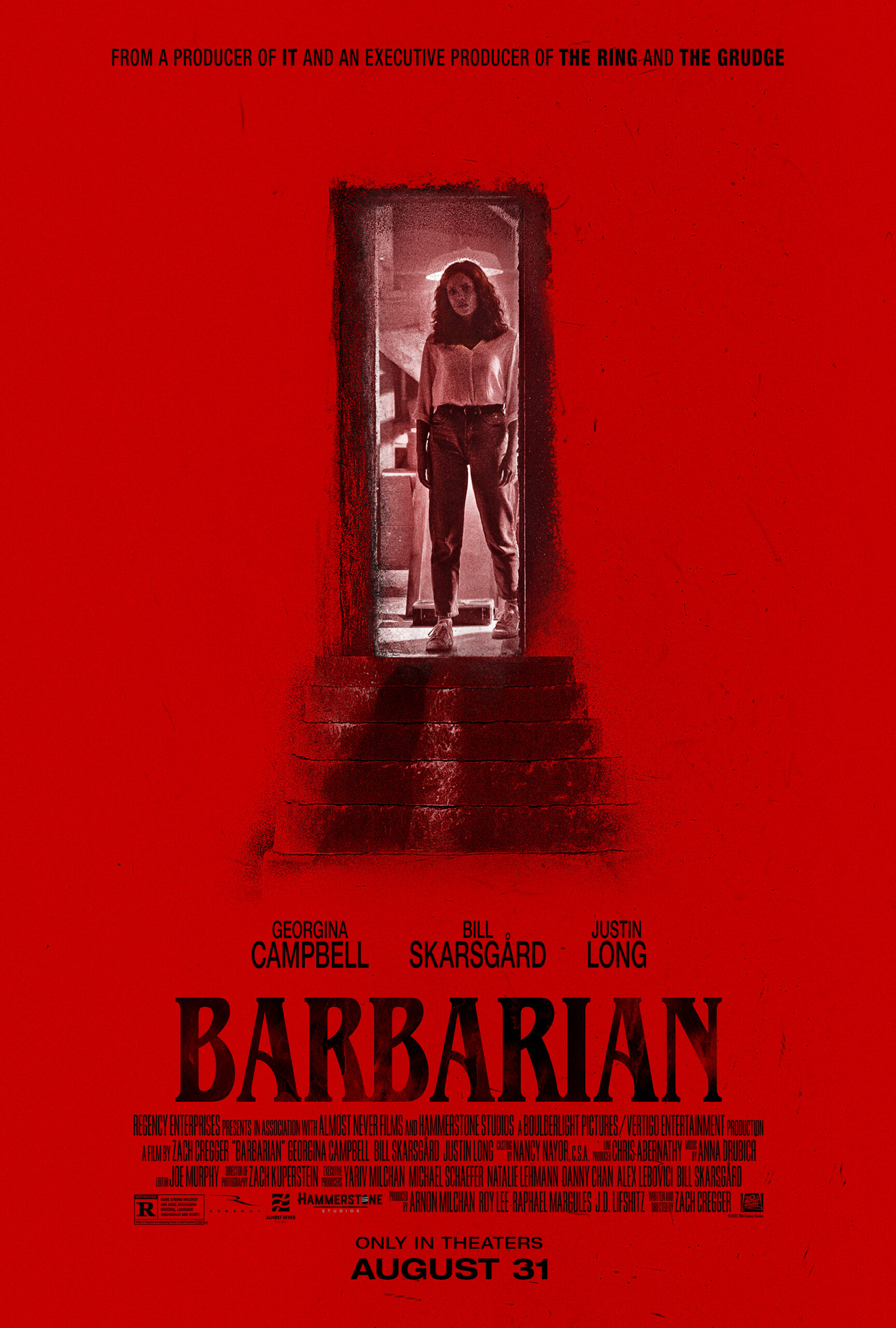
    Noah Baumbach captured the feeling of reading this novel perfectly. The casting was absolutely wonderful, and the ability to transcend the confines of genre was amazing! – Case Barbarian (2022) dir. Zach Cregger
    My favorite horror movie of the year. Yes, I take it over X and Nope. The last time I remember being that scared in a theater was The Conjuring 2, and that was over 6 years ago. – Max 306 Hollywood (2022) dir. Elan and Johnathan Bogarin
    You’ve never seen a documentary with so much magic and chutzpah. – Diana

    TELEVISION

    I Think You Should Leave (2019)
    The most quotable show I have ever seen and infinitely rewatchable. – Max The Sex Lives of College Girls (2021)
    Almost a guilty pleasure, but it’s undeniably adorable. – Sadie
  • McClung’s Repatriation Exhibit: A University’s Attempt to Give Back
    Written by Abby-Noelle Potter
    Edited by Presley Cowan

    The societal push for justice in recent years has demanded that institutions be transparent in their negative involvement of marginalized peoples.

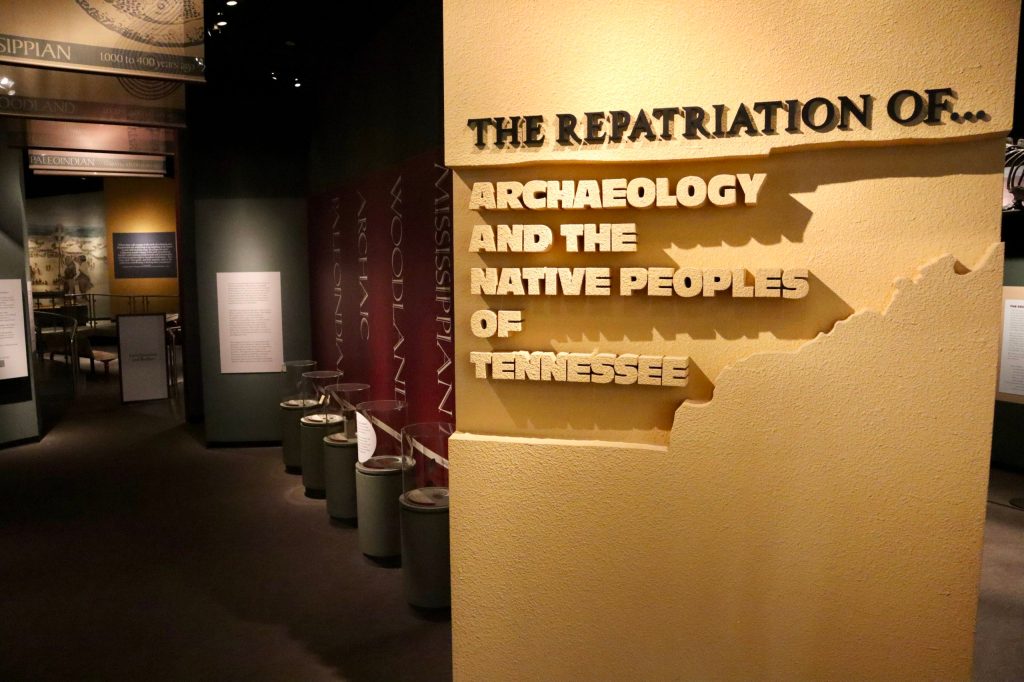
    The University of Tennessee’s McClung Museum has recently opened the exhibition of the Repatriation of Archaeology & the Native Peoples of Tennessee in August. This long-term exhibit will be open until August 2023. The McClung Museum has framed this exhibit around the question of who is being given the authority of telling this story of indigenous groups. For such a long time, institutions have run unchecked in their procedure of showcasing human remains and associated funerary objects without questioning if they have the right to do so. This exhibit admits the museum’s own wrongdoings and begins to respect the dignity and consent of Native American tribes and Native Hawaiian Organizations. 

    The exhibit includes a large sign that defines repatriation as “the act or process of returning someone or something to their country of origin, cultural group, or descendent community.” The federal law of the Native American Graves Protection and Repatriation Act (NAGPRA) was passed in 1990. This act includes that institutions must make an inventory of Native Ancestral remains and cultural materials, as well as consult with tribes to determine cultural affiliation. The goal is to evaluate repatriation claims and honor those requests.

     A reparation claim must show their cultural affiliation through evidence and indigenous knowledge. After NAGPRA was passed, institutions were given five years to determine what was culturally affiliated versus culturally unidentifiable. Something culturally identifiable means that based on the opinion of the institution there is substantial evidence, varying from biological, historical, archaeological, folklore, oral tradition, or others, that make a connection to a present-day tribe or organization. Unfortunately, many items were labeled as culturally unidentifiable due to a lack of funding and personnel. There are instances where repatriation claims are made for culturally unidentifiable items. This involves the continual collaboration between numerous institutions to appropriately follow NAGPRA. The notion that something is culturally unidentifiable is not only extremely offensive to the parties involved but it lets institutions off the hook from considering the individuals and cultures whose materials they possess. 

    The university’s involvement goes back to 1933 when Franklin D. Roosevelt signed the Tennessee Valley Authority Act to address the valley’s environmental and energy issues. This meant the construction of dams and reservoirs for flood control in this area. Ultimately resulting in the excavations of numerous native cultural sites. This exhibit at McClung is sponsored by Tennessee Valley Association (TVA). In 2022, within a repatriation process in Alabama, Marianne Shuler, Senior Specialist, Archaeologist and Tribal Liaison at TVA, spoke about the relationship between TVA and native groups stating, “Over the past 10 years, TVA has made great strides in the return of ancestral remains and other sacred items to federally recognized Indian tribes who once lived in the Tennessee Valley… We have made a lot of progress, but we still have more work to do to ensure all ancestral remains are returned to Tribes.” 

    In 2021, the McClung museum met for a formal NAGPRA consultation. Repatriation claims were made by tribal members and this has caused the original Archaeology & Native Peoples of Tennessee exhibit to shift. McClung has removed some items from display. According to the University of Tennessee website, McClung Museum says that leaving spaces empty is “intentional” and they want to “facilitate a new conversation: one that explores the stories that museums tell and examines who is included in and excluded from creating these narratives.”

    On the federal register website, there is notice of inventory completion made by the University of Tennessee earlier this month. At least seven individuals’ remains were removed and brought to the University of Tennessee by William Bass, a forensic anthropologist, in 1971. There were also associated funerary objects. These human remains and associated funerary objects may be returned starting next month. These are not the only remains and associated funerary objects given back from the university. According to the University of Tennessee website, the Office of the Provost states that the progress to date has involved numerous repatriation claims that have been asked of the university.

    Walking through the exhibit is vastly different from the typical experience of visiting other museums. In place, behind the protective layer of glass are not artifacts, but instead various postings and signs that say the items that were there have been repatriated. 

    There is still a great number of artifacts within the exhibit; however, the now empty areas of the museum are weighty in significance. As visitors step further into the exhibit, the grave understanding of what it means to take something that is not your own only increases. The conversation of heritage and culture within art only becomes more nuanced, as the scope of institutions begins to include voices that have been suppressed. 

    A quote in the exhibit from Johi Griffin Jr., Historical Sites Keeper, Tribal Historic Preservation Office, Eastern Band of Cherokee Indians says, “I believe that there is no greater honor than having the responsibility of returning our Ancestors back to where they belong, in Mother Earth and not on a shelf.”

    This exhibit represents a sign of progress in UT’s recognition of colonial power and the mistreatment of native groups. After visiting the museum, it is difficult to not do the same. 


    Photograph from mcclungmuseum.utk.edu
  • The Analog Sea and Intentional Curation
    Written by Maxwell Frasher
    Edited by Presley Cowan

    In an era when increasing desire for convenience has made the audiobook and the e-book more practical than ever, it’s easy to question whether the print book and the bookstore have any relevance at all. Why go to a bookstore when you can receive the entirety of a book’s text without ever having to leave your home? This is what The Analog Sea has been addressing since its inception. Their stance? Print books and independent bookstores matter, and they will continue to matter as long as humans have the desire to disconnect and meditate on what it means to be alive.

    The Analog Sea is a self-described “offline journal.” The offline aspect relates to how readers engage with the work. Editions are distributed exclusively to independent bookstores and are only available as print copies. In his introduction from The Analog Sea Bulletin Spring 2022, editor Jonathan Simons explains that by “advocating for the human right to disconnect, [The Analog Sea] celebrate[s] offline culture and the work artists create in solitude, that vital stretch of time when distraction fades and deep wells of thought and feeling emerge.” By engaging with this work, The Analog Sea demands your undivided attention by quite being literally incompatible with the notifications that an e-book or audiobook would allow. It also respects your boundaries and will not attempt to grab your attention once you decide to shut it. In the words of Simons, “it fits in your pocket but won’t wake you up at night.”

    The Analog Sea’s status as a journal comes into play in the actual content. The Analog Sea Review is published annually and is comprised of everything from interviews, essays, stories, excerpts, and poems and established intellectuals, to work sent in by readers of the journal. Albert Einstein, Leonard Cohen, Pope Francis, David Foster Wallace, James Baldwin, Fréderic Chopin, and Nina Simone are among the notable figures featured in The Analog Sea. Ironically, it feels more like a successful democratic portrayal of ideas than the internet persistently claims itself to be. Despite the lack of a single overarching theme for each edition, connective tissue is established from each piece to the next. In “The Analog Sea Number Two,” the range of material moves from the nature of dreaming to the northern lights to identity in the spectacle of the digital age to meditations on the creative process to the physicality of beauty. Across this progression through a wide range of topics, The Analog Sea is encouraging contemplation and examination of what we observe and the work we do as human beings.

    At the heart of it all, it’s about intentionality at every step of the way. In the back of each edition, there is a communication card available to be cut out and mailed to Analog Sea with options to receive the free seasonal bulletin, to send the free seasonal bulletin to a friend, to receive more information about how to get involved and to ask them to consider stocking The Analog Sea in your favorite local bookstore. They also encourage readers to submit work or even just send a letter to get connected. Community is at the center of every choice made about distribution and publishing.

    Again, The Analog Sea often seems to be strangely more sincere in its attempts to facilitate relationships and conversations than the internet’s mission statement of connectivity and globalization. It raises the question: what are the foundational elements of a relationship? What do we need in order to feel connected? On the surface, the perspective of The Analog Sea appears antithetical. How can solitude be the avenue to healthy and genuine relationships? It is about calming and orienting the self as the base for human interaction. In “Dream Poems,” an excerpt from an introduction written by Robert Bly for “Times Alone: Selected Poems of Antonio Machado” featured in “The Analog Sea Number Two,” Bly writes, “collective opinion terrorizes the soul; the demands of the world obsess the psyche.” The Analog Sea is advocating for stability and serenity of the self as the foundation for interpersonal relationships, especially when the internet seems to encourage the opposite.

    As of the writing of this article, there are only two bookstores in Tennessee where The Analog Sea is available, and one of them is in Knoxville! At around a 15-minute walk from the University of Tennessee’s campus, Union Ave Books currently stocks copies of The Analog Sea. I was first introduced to the journal when I stepped into Union Ave one day just to browse and accidentally stumbled across it. It’s how I image they want others to discover their work as well, but even if you aren’t purchasing the journal itself, the encouragement to wander around an independent bookstore and buy literature in print is still a part of their vision. The mission is not to boost revenue, but to inspire human curiosity about the self and the world.


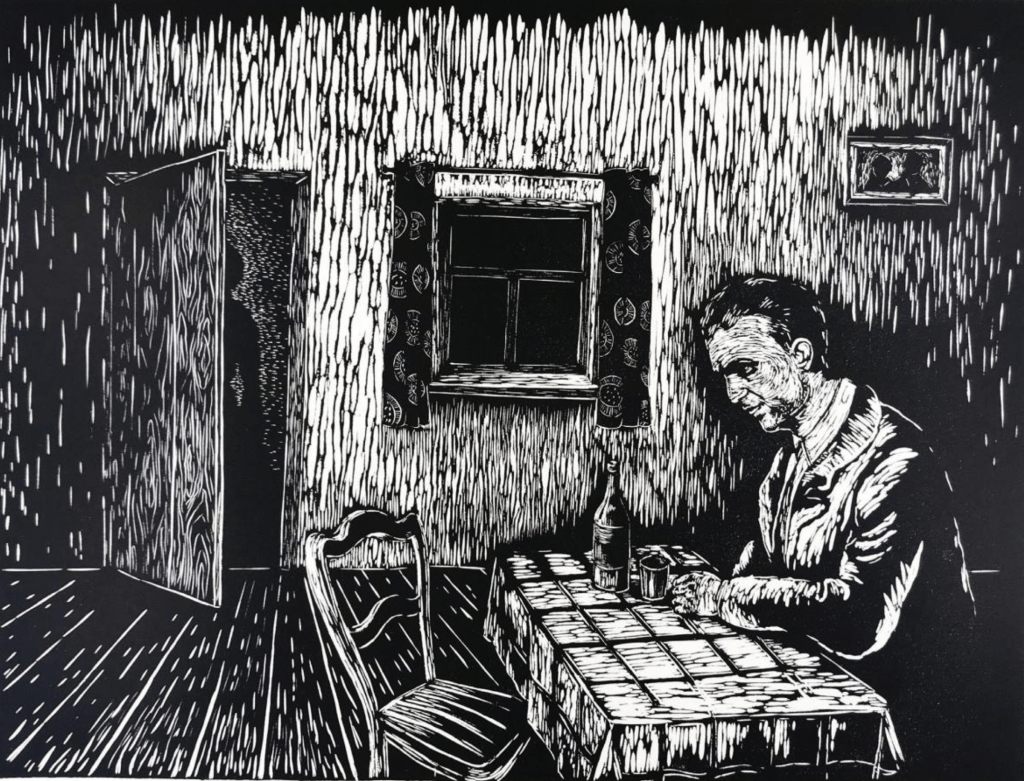
    Artwork: “She Always Comes Back” by Tatiana Tikhonova

  • The Museum of Infinite Outcomes
    Words and Video by Diana Dalton
    Edited by Presley Cowan

    The Museum of Infinite Outcomes, an open-air museum in Knoxville’s very own Parkridge neighborhood, is home to more than meets the eye. With meandering gardens, rotating exhibits and a free seed library of native plants, this is a museum that stands for conservation and community. Hear from museum director Ashlee Mays and artist-in-collaboration Lauren Farkas, both alums of UTK’s School of Art, on the magic of the mission. Located at 2345 Dodson Ave., the museum is open anytime the sun is up.

    Check out their website and Instagram!
  • Underwater Puppetry by Faith Belt

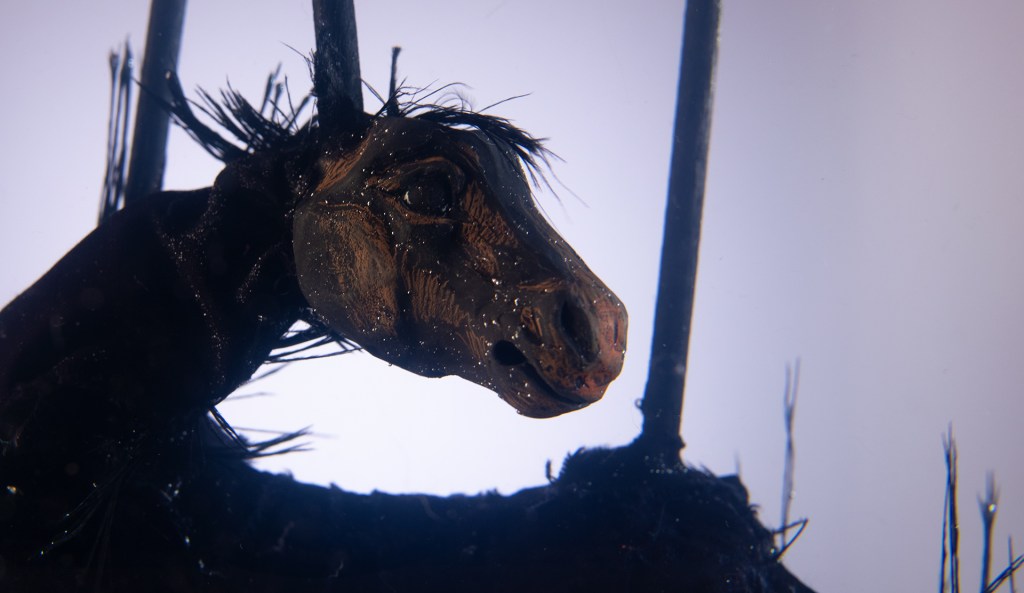
    Ghost Lion: A spectral lion expresses his torment, grief, and aggression, haunting a strange, otherworldly savannah.

    Ghost Lion comes from a video series of early experiments, or “movements”, with underwater puppetry. Water makes materials move with a new gravity and a slowness that can easily and instantly transport a viewer into a different world. Character sculpting, material choices, lighting, sound, and cinematography build that world and completely immerses the viewer – including the puppeteer herself – into it.

    Ira’s Dreams: Ira, a young runaway prince, is attacked by night terrors. He awakes suddenly and begins to weep because of his helpless circumstance. A far away shepherdess hears his cries and accepts the call to see him out.

    Ira’s Dreams is an early sketch of a scene from Ira the Boy King, a tale that explores blame, doom, running from responsibility, and redemption. This video was created to get to now the character Ira better as his story continues to develop outside the water.

    Art by Faith Belt
    Instagram: @faithobelt.art
  • Wake for Susan by Cormac McCarthy
    Written by C.J. McCarthy Jr.
    Phoenix, Fall 1959 “Who makes the bridal bed,
    Birdie, say truly?”-
    “The grey headed Sexton
    That delves the grave duly.”
    Sir Walter Scott

    IT WAS NINE O’CLOCK on a sparkling Saturday morning in October. The squirrels had apparently retired for a mid-morning siesta, and Wes arose stiffly from his position beneath a towering shagbark hickory. An orange sun was climbing the eastern sky rapidly and drenching the dripping woods with an unseasonable warmth. Wes leaned his rifle against the tree and unbuttoned his jacket. He felt a little irked at having missed the squirrel. He had seen four or five, but that had been his only good shot-the one that came slithering down the tree directly in front of him. At the shot, the squirrel had jumped from the side of the tree and for a minute Wes thought that it was hit. Then he heard the squirrel scamper off among the dead leaves. 

    Wes picked up his rifle and started slowly for home. He still had the yard to mow. A well worn path led through the cool shade of second growth hardwoods-oaks and hickories. The damp leafcarpeted woodland floor was punctured haphazardly with moss-padded grey limestone. The path led past the remnants of an abandoned quarry. Wes paused to chunk a rock into the green algae covered water of the quarry hole. Then he turned off onto the railroad track. It was longer home this way and harder walking among the rotting ties and lecherous honeysuckle. The sagging rails were brown and rusty with disuse. Wes walked along them, placing one foot carefully in front of the other, falling off every few steps. He followed the path of the old railbed until it turned east across brown harvested fields. Then he turned into the woods again. 

    In a rain-washed red clay gulley he stooped and picked up a flattened hog-rifle ball. He scraped the mud from the oxidized lead and examined it. Well. Wes wondered when it had been fired, who had fired it, and at what, or whom? Perhaps some early settler or explorer had aimed it at a menacing Indian. More likely it had been intended for game for a table of some later date, when the Indians were all gone. Perhaps it had been fired only thirty or forty years ago. The old muzzle-loaders were used in this part of the country until fairly recently, he knew. 

    As Wes examined the rifle-ball, the woods became populated with ghosts of lean, rangy frontiersmen with powder-horns and bullet pouches slung from their shoulders and carrying long-barreled, brass-trimmed rifles with brown and gold maple stocks. 

    Wes pocketed the relic and walked quietly through time-haunted woods. 

    It was probably the discovery of the rifle-ball that prompted him to look for the burial plot. He had been there once before with the Ford boy and though that he could find it again. 

    He increased his pace until he came to the road. Crossing to the other side, he climbed through a disreputable looking barbed-wire fence, and struct out in the direction of the burial ground. The trees were strung with glistening dew-beaded spider webs, which Wes occasionally ran into, and the sun was getting a little warm for his heavy clothing.

    The cemetery was not exactly where he remembered it being, and he stumbled upon it almost by accident. As he entered this forgotten resting place, the rich and lonely haunted feeling thickened in the air. 

    Here in the graveyard, scrubby pines grew boldly within a circle of oaks and hickories. The stones nestled secretively beneath the tangled honeysuckle. They were moss-mellowed and weather-stained in that rustic way which charms lovers of old things. 

    Wes moved about among the stones pushing back the choking vines and weeds and reading the inscriptions. So old they were. So forgotten; especially forgotten. Just a few feet beneath this soil lay the chalky bones of people who had, in all probability, walked here even as he did now. The bearded stones themselves seemed arrested in that transitory state of decay which still recalls the familiar, which pauses in the descent into antiquities unrecognizable and barely guessable as to origin. 

    1834, for instance, was a year one could remember. In this year, a stone said, the Source of Life has reclaimed His own-one Susan Ledbetter. Susan had lived on this earth a full seventeen years.

    From a simple carved stone, the marble turned to a monument; from a gravestone, to the surviving integral tie to a once warm-blooded, live person. Wes pictured Susan:

    She was blue-eyed and yellow-haired, soft and bright in her homespun dress. (1834 was a year one could remember; not like 1215 of 1066, but a real year.) Susan sat at the table with her parents and brothers and eyed with pardonable pride the meal she and her mother had prepared. 

    There were stacks of steaming golden cornbread eager to soak up the fresh churned butter. A bowl of collard greens and one of pinto beans, each laced delicately with the flavor of pork scraps. And the fragrant platter of fried pork tenderloin. Stewed apples crowded in a chipped blue chinaware bowl, and an earthen crock of cool buttermilk promised respite from the heat of the day. As Susan watched her brothers eat she swelled with womanly pride.

    Susan should have a lover, and the lover looked strangely like Wes. He came courting, a gangling 18 year old, with dark serious eyes and a quick grin.

    On warm summer evenings they sat on the front stoop and talked about the things they knew: neighbors and folks and crops and childhood and parents. The boy tried to tell her funny things he had heard the men say at Josh Moore’s store, but they never had the same ring to them. She laughed, or smiled, but he felt an empty flatness in their repetition. And so he told her the things he dreamed of, bashfully at first, but always dark eyed and serious. He spoke softly and slowly, looking up from the ground occasionally to glance at her, or inadvertently stop her heart with his quick grin.

    They discussed death and bass-fishing and square dances, and the epic of life around them seemed to unfold. They imparted to each other a great deal of understanding.

    And so they fell in love; he first with her eyes and hands and then her shoulders and soft rounded hips; she with his arms and neck and wild brown hair.

    Not that they spoke of these things. No words of love passed between them, and at night when he kissed her standing there on the stoop and wheeled around and headed for the gate, it seemed that he must tell her how he felt. He would turn at the gate and look back and see her standing luminescent beneath the autumn stars and he wanted to run back and crush her in his arms and whisper wild things in her ear. But he simply raised his hand and she hers, and he ambled home emptily beneath wind-tortured trees that spoke in behalf of the silent stars.

    You walk here, as so many others have walked. The ancient oaks have seen them. The lifesap courses through these twisted limbs as it flows hot through your veins- for awhile. The branching creek-rooted cottonwood cares not for the trees that sucked at this damp earth before its birth, but only for the earth, and the sunwarmth, and the seed. You walk here. Moonwarmed and wind-kissed, you walk here… for awhile. 

    And the boy ambled home and eased wearily into bed and tossed and rolled so that the bed-ropes had to be tightened for the second time in two weeks.

    In October the first frost glazed this remote valley. The harvesting was done and preparations were being made for Winter. Great stores of food were being laid away in earthy cellars and musty smoke-houses. The rich smell of wood smoke hung in the valley, promising the peace and warmth of winter nights before a friendly fire. The savory aroma of hog-meat being cooked in great black outdoor kettles spoke of bountiful tables and festivity within the house-warmth of winter. It was a very good time of year. The time of year when one reflects with satisfaction on a well done summer’s work. 

    For Susan it was a very good time of year. She kept busy with endless household chores and minded them not in the least. In fact, she was barely conscious of them and more than once was surprised, upon turning to some project or other, to discover that she had already done it. 

    Had she been superstitious, she might have insisted that some kind fairy folk had washed the tomatoes that she left on the sideboard.

    Perhaps her thoughts were a little too much taken with a tall lean and dark-eyed man (to her he was very much a man, and perhaps he was). As yet there had been no serious talk between them, but she knew, and she was willing to permit him to take his time. The question of her future was settled quite agreeably and her youth told her all was well. Give him time; all will be well. 

    The boy himself was likewise busy with chores. It was a busy time of year, a good time of year. The crisp mornings got one out of bed almost by force. Fried eggs and sausage tasted so much better when there was frost in the air. As he swung out the door swinging the milk pail the tingling air filled his nostrils with seductive promises. 

    Chickens scattered at his approach, clucking nervously. He swung his pail at them and laughed as they broke into panic. Passing the wood ricks he noted with satisfaction that nearly all the logs had been cut and stacked in martial order between poles and driven into the ground. There was a full cord of shiny triangular sticks of split yellow pine kindling. The very air seemed glutinous with rich plenty. Reaching the barn (it was a small shed of great weathered planking), he loosened the leather thong from the nail and entered with a loud and hearty greeting for the surprised milch cow. 

    Diurnal forces carpeted the forest floor with thick layers of crunchy brown leaves, torn from the halfnaked trees. Long enough these leaves had shaded the wooded ridges and slopes. Now they returned to the earth to decay and so provide life and sustenance for their unformed successors. Long enough, leaves. 

    The year was 1834, and a very fine year it was. It was fall, and that is a good time of year.

    In a rocky woodland glen, a minor tragedy occurred. A fox, a little lean (even foxes walk noisily in crisp leaves), had managed to cut off a very frightened striped chipmunk from his home among the piled stones. The fox sprang full upon the chipmunk, but before he could get his sharp little teeth into the furry prize, it had slipped between his legs. The fox whirled frantically and pounced again, this time pinning the chipmunk between his forepaws. Cautiously he lowered his head to complete the capture. He opened his mouth and released the pressure of his paws, but the chipmunk was too quick for him. His teeth clicked with a clear ringing snap in the frosty air.

    The chipmunk was a flash of golden brown streaking for a crevice in the rocks. Just as it gained this refuge, the fox, by a combination of agility and luck, pinned it down with one paw. But the chipmunk was inside the crevice and the fox could not get his sharp pointed snout through the crack far enough to reach it. Furthermore the chipmunk was worming forward even under the pressure of the fox’s paw, until it was wedged down into the rocks where the fox could not dig it out. The fox thrust his face into the crevice as far as it would go, which left the warm fragrance of the chipmunk several inches in front of his nose, and whined like a puppy. He scraped and clawed at the chipmunk until it was bloody and lifeless, snuffed loudly, and with one last despairing whine trotted off through the noisy leaves, leaving the chipmunk for the smaller carnivores. 

    The weather had grown too cold for out of door sparkling. (It was October and the valley shone with white glistening frost beneath the long slanted rays of the rising sun.) It was good hunting weather and the woods echoed periodically with the sharp crack of rifles or the deeper hollow sound of the fowling piece. But the weather had grown too cold for out of door sparkling. Susan and the boy occasionally sat in the front room of her house on chilly evenings and shared conversation with her parents and her brothers. The brothers were tolerant, but a little amused, and they made the boy uncomfortable. 

    Sometimes everyone would go to bed and leave the two of them alone for a little while before the boy had to depart. On these occasions the boy was even more flustered than when the family was in the room. 

    He would say, “Well Susan, I guess I’d better be getting along.” And she would say, “o don’t go just yet, it’s not so late.” And he would say, “Well, I’ll have to be leaving pretty soon,” and look darkly at her until she lowered her head with an embarrassed smile and then he would reach over a little awkwardly and kiss her on the cheek. She would look up, just a little, and he would hold her shoulders and kiss her on the mouth. Nothing was ever so soft and warm and sweet scented. He would hold her for awhile, not speaking, but his breath catching a little in his throat, distrusting his voice altogether. After awhile she would look up an him, rather boldly, he thought, and ask him would she see him tomorrow, or would he be at Arwood’s Saturday night, or what, and he would answer as best he could, kiss her on the cheek and say he’d better be going and rise stiffly and stand there stoically, or maybe even stretch, and then cross the room, feeling awkward, and get his coat. 

    At the door her kiss would be full of meaning and he would tumblr out into the sharp night air and run most of the way home. The stars promised they would be back again tomorrow night.

    Susan would stand at the door until he was out of sight, breathing very quietly and imagining him still there with his arms around her.

    Then she would carry the lamp into her room and look at herself to see what there was about her that made him think she was such a delicate piece of china. 

    Undressing quickly in the cold little room, she would tumble into bed. She would see him again tomorrow night.

    The stars came back; if their luster paled, it was because of a part of beauty was no longer there to receive them. In his eyes they swam blurred and distorted in a salt sea. The year was 1834, and it was October. 

    How had she died? The mute stone left no testimony. There were so many ways.

    A sea of love and pity welled up in Wes. Great tears pushed one another down his cheek. He threw his arms around the unyielding stone and wept for lost Susan, for all the lost Susans, for all the people; so beautiful, so pathetic, so lost and wasted and ungrieved. 

    Later Wes arose from the spot, drained and empty. He picked up his rifle and started for home. Winds were about. A little band of dead leaves jumped beneath his feet and frolicked and tumbled ahead of him, then did a disorderly right oblique and scampered crazily down a sunny woodland corridor, leaping and dancing before the wind in a travesty of life.

    Wes smiled. Leaves tired and dropped sighing from branches.

    Long enough, leaves.

    He smiled, and walked home, towering even among the lean trees. 


    Artwork: “Antithesis to Lomography” by Diana Dalton